

Hello and happy new year to the most incredible community! I am thankful for you reading this and one of my goals for 2026 is that these newsletters empower each of you to have a healthier 2026!
Before we get started, I have some exciting information to share with anyone who wants help with weight loss, gut issues and even autoimmune disorders. In our online school, starting this week, we will be starting our 6 week class “No grains, no sugar” where each student is encouraged to actively cut out processed grains & sugars. If you want to join, it will be me and you and about 20-30 other students from all over the country. It will be life changing! Classes explaining the process start this Thursday at 5:30pm CST and will be LIVE followed by a Q&A. I hope you can join. You are stronger than you think! See you in class!

Here’s what we’re covering in this week’s questions:
Thank you for being here.
Now on to the questions!

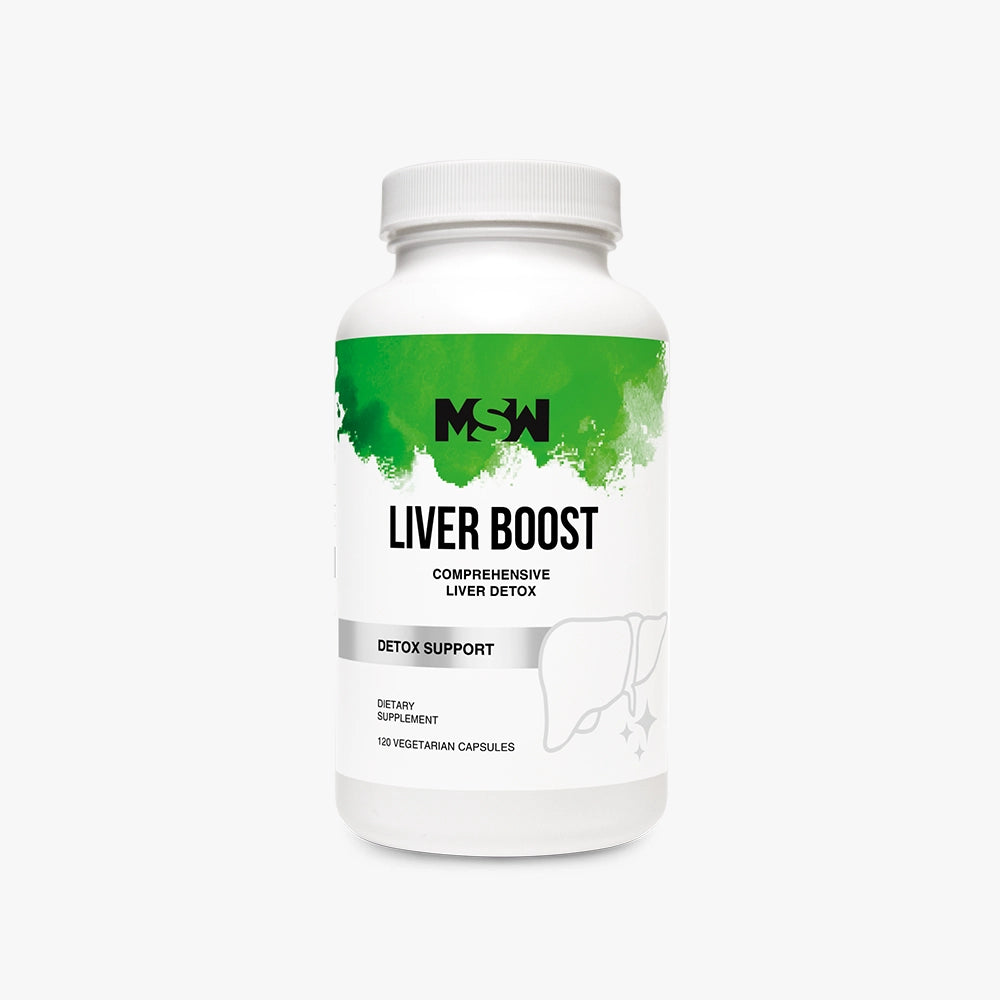
A lot of you guys know that Liver Boost has been out since last year.
Well, IT’S BACK!!
…and they’re running a Buy 1 Get 1 at 15% OFF - so you can stock up.
ENDS TODAY
Q: Nurse Doza, I saw one of your videos about taking care of your liver after surgery. I have had a hysterectomy and gallbladder removal and no doctor has ever said this to me. I have never been the same after either surgery. How can I take better care of my liver?
A: Taking care of your liver after surgery should absolutely be a priority — but unfortunately, it’s rarely discussed.
During and after surgery, the liver does a tremendous amount of work:
Processing anesthesia and medications
Producing antioxidants like glutathione to reduce inflammation and cellular damage
Helping regulate hormones, especially estrogen
After surgery, the demand on the liver increases — yet many people already have a reduced ability to make glutathione due to fatty liver, blood sugar issues, MTHFR genetics, or chronic stress.
The liver also plays a central role in hormone balance. Any disruption in estrogen — menopause, hysterectomy, birth control, PCOS, or stress — directly affects liver health.
Supporting your liver requires three things:
Diet • Lifestyle • Supplements
Best diets for liver support:
Fasting (24–36 hours): lowers insulin, reduces visceral fat, supports healthy estrogen
Mediterranean diet: rich in omega-3s, which are critical for liver and hormone health
Lifestyle habits that matter:
Cut out processed sugar, oils, dairy, bread, pasta, rice, sodas, and alcohol
Eat only when truly hungry
Avoid eating past 9 PM
Sweat regularly (sauna, walking, yoga, resistance training)
Supplement support:
Extra credit: Watch “5 Signs Your Liver Is Screaming for Help”
Extra extra credit: Complete the 14-Day Liver Reset
GLP-1s Are Everywhere — This Is the One We Trust

If you’ve been curious about GLP-1s for weight loss, appetite control, or metabolic support… this is your moment.
We’ve partnered with Shed, the same brand behind the NAD+ shots you already love, to offer our readers $50 off your first month.
🧬 Clinically trusted. No hype. No shortcuts.
🎯 Use code DOZA50 at checkout
Q: Nurse Doza, I recently had my gallbladder removed and my digestive tract is worse than before! I've gained almost 25 lbs since the surgery. I started taking supplements but I don’t know if they are helping. I don't even know what to eat and now my doctor told me I also have IBS. Please help guide me towards the right path! Thank you!
A: Gallbladder removal doesn’t create digestive problems — it reveals them.
Digestive issues usually exist years before surgery. Removing an organ doesn’t heal the gut. And after surgery, diet, lifestyle, and supplements are rarely explained — but they matter deeply.
Gallbladder issues are liver issues. They develop over time from:
Diet
Lifestyle
Medications (including oral birth control)
Gut damage often comes first. Processed foods and medications damage the gut lining, and everything absorbed passes through the liver — leading to a cascade of gut, liver, and gallbladder dysfunction.
What to do after gallbladder removal:
Stop eating C.R.A.P. (Corn, Rice, Alcohol, Processed foods)
Eat gut-friendly foods:
sweet potatoes, sauerkraut, olives, beets, apples, flaxseeds, seaweed
Support liver detox:
turmeric, green tea, garlic, broccoli, avocados
Regulate blood sugar
Eat only when hungry
Avoid eating past 9 PM
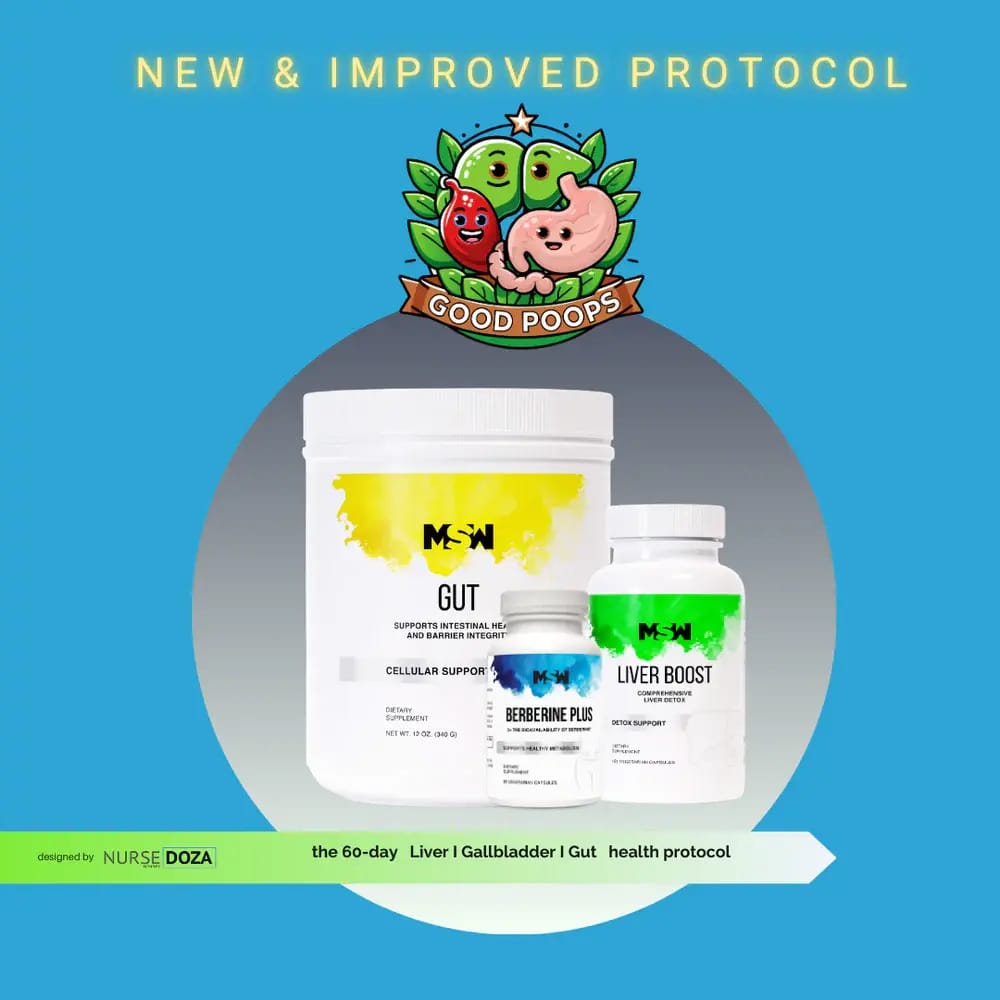
Start the GOOD POOPS protocol — designed to support the liver, gut, and bile flow (even without a gallbladder)
Extra credit: Watch “What to Do After Gallbladder Removal” — our most downloaded episode

Q: Hi Nurse Doza. I saw one of your videos about PCOS, which I have been struggling with for years. You said to cut our sugar, bread and rice but come on! What am I supposed to eat? Air?!? I just don’t even know what to eat at this point!
A: I understand the frustration. PCOS affects every part of a woman’s life — hormones, cycles, fertility, weight, and confidence.
PCOS is fundamentally an insulin issue — often described as “diabetes of the ovaries.” Lifestyle plays a huge role, but it’s also where the solution lives.
Benefits of cutting processed foods with PCOS:
Less painful and heavy periods
Fewer cramps and bloating
Improved acne and skin
Better estrogen and insulin balance
Improved liver and gallbladder function
Better fertility and sustainable weight loss
That’s a long list — and it’s worth it.
If doing this alone feels overwhelming, that’s exactly why community matters.
Inside the School of Doza, our No Grains, No Sugar class brings women together for six weeks of structure, support, and accountability.
You are worth the effort.
You can do this.
Extra credit: Watch “Break Free From Emotional Eating”
Need More Energy, Focus, or Recovery?

NAD+ is essential for cellular energy, brain health, and aging—but levels drop as early as your 20s.
Shed’s NAD+ vials deliver clean, fast-acting support to help boost metabolism, improve recovery, sharpen focus, and helps OPTIMIZE YOUR LIVER.
🧬 Try it for yourself and get 40% off with code DOZA40 at Tryshed.com
A Final Thought Before You Go
If you’re reading this and thinking, “I know I need to make changes, but I don’t know where to start” — start with your food.
Cutting out processed grains and sugar is one of the most powerful things you can do for:
Weight loss
Gut repair
Hormone balance
PCOS and insulin resistance
Inflammation and autoimmune symptoms
That’s exactly why we created the No Grains, No Sugar class inside the School of Doza.
For six weeks, you won’t be doing this alone. You’ll be supported by me and a small group of students from around the country, learning what to eat, how to eat, and why it matters — with live teaching and real-time Q&A.
Classes begin this Thursday at 5:30 PM CST.
If you’re ready to feel better in your body and finally follow through on what you already know you need to do, I’d love to have you join us.
To your health,
Nurse Doza